
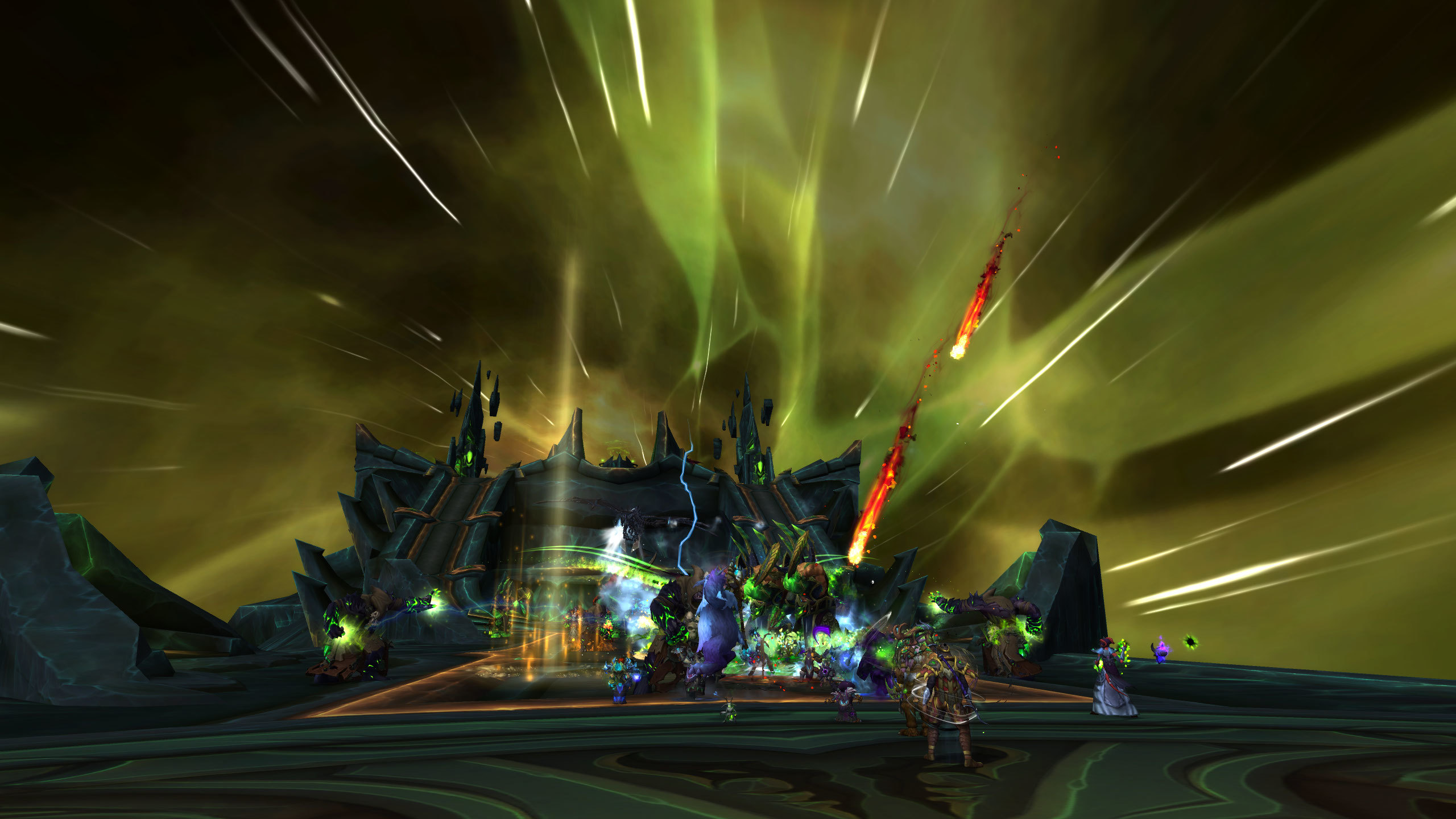
From the earliest days of World of Warcraft, few roles have defined the pace of combat as completely as the tank. The art of holding threat—keeping enemies focused on you rather than your allies—has undergone one of the most fascinating evolutions in MMO history. What began as a constant struggle for aggro control has become a symphony of resource management, positioning, and encounter mastery.
This article traces the history of threat management, exploring how tanking evolved from frantic taunting to a refined discipline that continues to shape WoW’s combat design today.
The Early Days of Tanking
In Classic WoW, tanking was brutal. Threat generation was limited, taunts were unreliable, and even a single overeager DPS could cause disaster. Warriors stood as the primary tanks, relying on Sunder Armor stacks, Defensive Stance, and careful rotation to hold aggro. Every pull required patience—DPS waited for the classic “five Sunders” call before attacking.
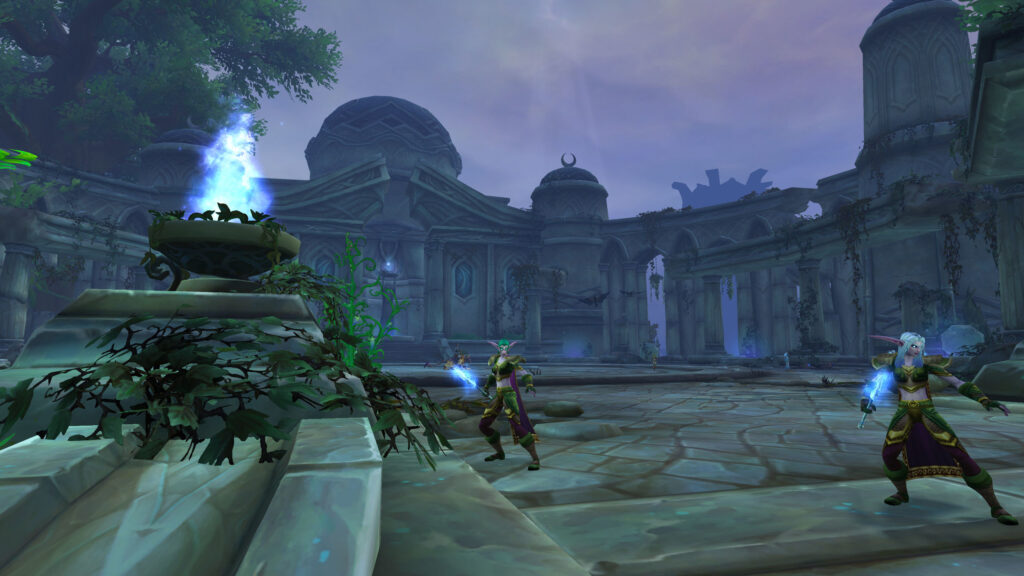
Early threat was a dance between precision and chaos. Tanks lived on the edge, balancing rage generation with survival, while healers prayed for stability and DPS tiptoed to avoid instant death.
The Rise of Hybrid Tanks
The Burning Crusade expanded the role. Paladins and Druids entered the stage, each offering new ways to manage threat. Paladins wielded Consecration and Holy Shield for steady AoE aggro, while Bears relied on raw power and armor. For the first time, tanking wasn’t just about control—it was about identity. Each class brought its own rhythm, allowing for diverse raid compositions and strategies.
This era marked the start of “threat as a skill.” Tanks who mastered their rotations earned admiration, while mistakes led to chaos. It was as much a test of composure as it was of mechanics.
Wrath and the Age of Accessibility
With Wrath of the Lich King, Blizzard sought to make tanking more approachable. Abilities like Vigilance and Divine Plea provided stronger threat control, and AoE tanking became smoother thanks to spells like Thunder Clap and Death and Decay. New players could now tank without needing mathematical precision—but veterans still found mastery through efficient mitigation and positioning.
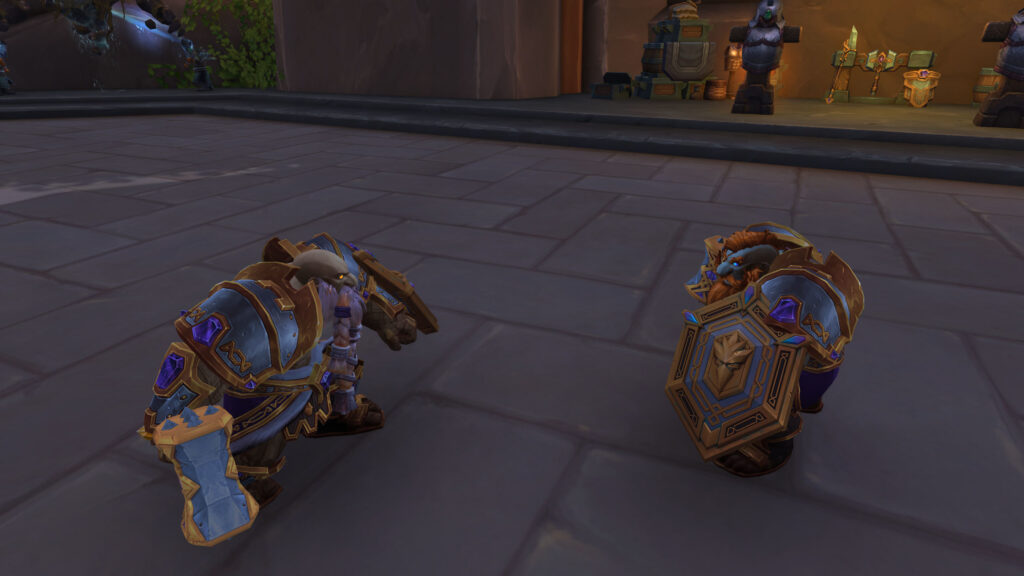
This expansion also introduced the Death Knight, a revolutionary class whose rune-based system redefined resource management. Their arrival marked the beginning of tanking as an art of survival rather than just control.
The Shift From Threat to Mitigation
By Cataclysm and Mists of Pandaria, threat became less of a player-versus-system struggle. Blizzard realized that constantly fighting for aggro distracted from strategy and teamwork. Instead, they refocused tanking around active mitigation—managing defenses, timing cooldowns, and reacting dynamically to damage.
Abilities like Shield Block, Savage Defense, and Guard turned tanking into a measured, skill-based role. Tanks now fought not for attention, but for survival and rhythm.
Modern Tanking: Control Through Power
In modern WoW, tanks are both protectors and damage dealers. Systems like Vengeance, Active Mitigation 2.0, and Empowerment in later expansions gave tanks the ability to sustain threat effortlessly while contributing meaningfully to DPS output. Encounters became less about holding aggro and more about controlling positioning, movement, and environmental hazards.
The best tanks today aren’t just shields—they’re leaders, orchestrating the entire flow of battle while maintaining the team’s safety and pace.
| Era | Core Focus | Tank Role Evolution |
|---|---|---|
| Classic | Pure threat generation | Patience and precision |
| Burning Crusade | Class identity | Hybrid playstyles emerge |
| Wrath to MoP | Accessibility and mitigation | Control evolves into survival |
| Modern Era | Leadership and utility | Tanks as tactical commanders |
The Psychology of Tanking
Beyond mechanics, tanking is psychological. It demands confidence, awareness, and the ability to stay calm under pressure. Tanks are the first to engage, the last to fall, and often the ones blamed when things go wrong. Yet this responsibility also makes the role deeply rewarding—few experiences match the thrill of flawlessly executing a pull or saving the raid with a perfectly timed cooldown.
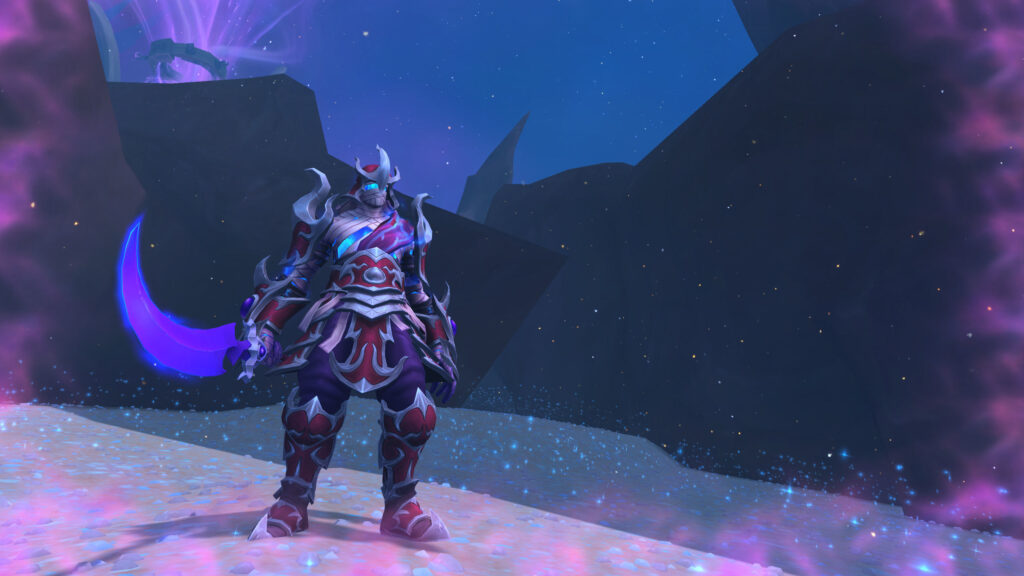
For many players, tanking isn’t just a role—it’s a mindset of leadership and composure.
Conclusion
From the chaos of Classic to the precision of The War Within, tanking has transformed into one of WoW’s most refined roles. What began as a struggle for threat has become a balance of leadership, survival, and strategy. Tanks no longer just hold the line—they define it, shaping every encounter through confidence and control.
In the end, tanking’s true evolution isn’t about damage or mechanics—it’s about responsibility. And that’s what keeps the role timeless.
