
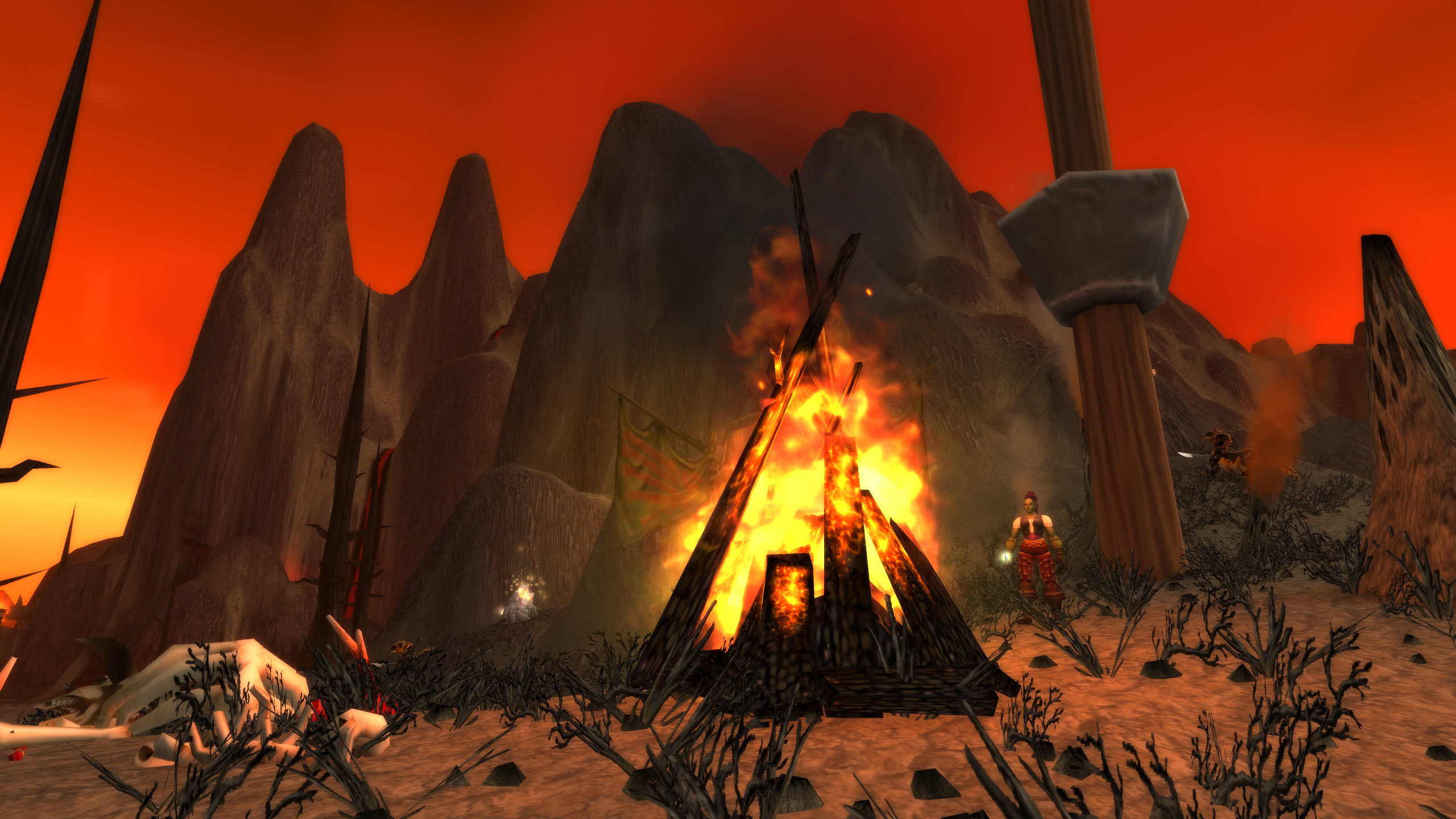
Vanilla WoW‘s difficult design fostered tight-knit server communities. Modern conveniences eliminated many social necessities. This analysis examines how difficulty created community.
Forced Interaction
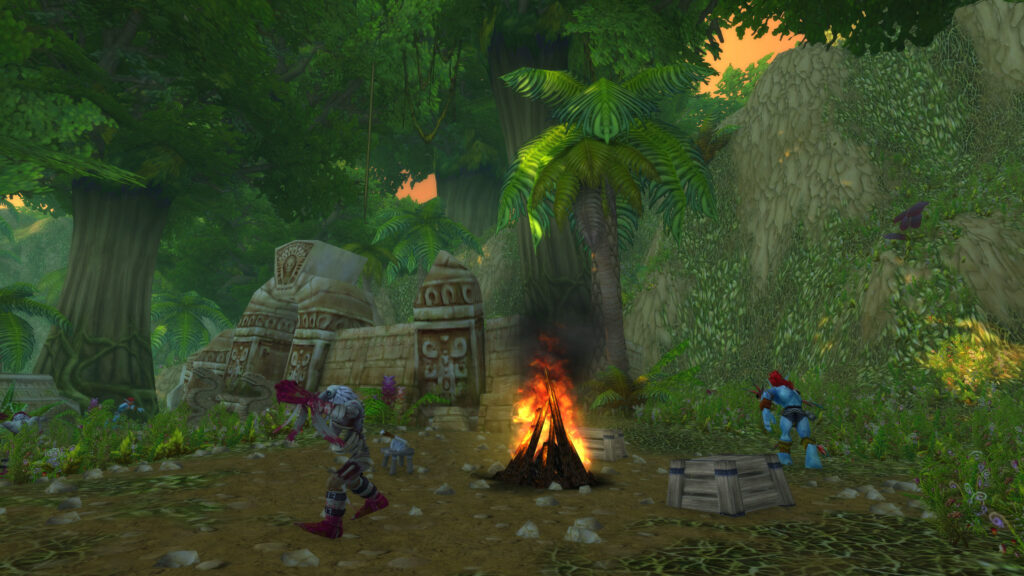
Vanilla required group formation for most content. Quests demanded multiple players for completion. This necessity created regular social interaction between strangers.
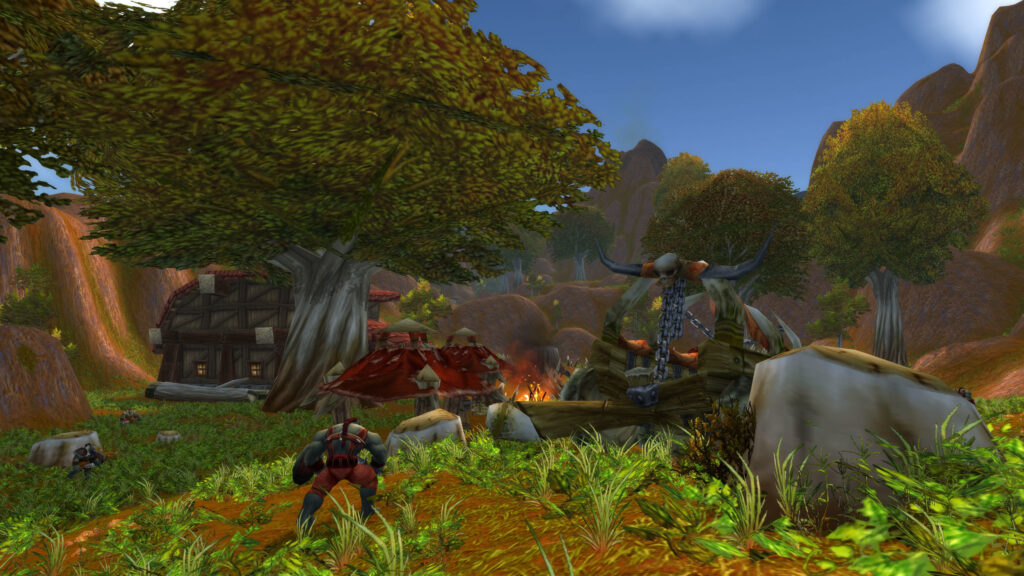
Server reputations mattered when communities were small. Bad players found themselves excluded from groups. Good players received invites repeatedly and built social capital.
Community Building Elements
- Group Quests: Required cooperation for completion
- Elite Areas: Demanded organized groups
- Dungeon Groups: Manual formation created bonds
- Server Reputation: Actions had lasting consequences
- Barrens Chat: Organic social space emerged
- World PvP: Server-wide conflicts united players
Modern Comparison
| Feature | Vanilla | Modern | Community Impact |
|---|---|---|---|
| Group Formation | Manual chat | Dungeon Finder | Negative |
| Server Size | Small | Massive | Negative |
| Reputation | Matters | Irrelevant | Negative |
| Quest Design | Group focused | Solo focused | Negative |
| Communication | Required | Optional | Negative |
Lessons for Future
Modern WoW cannot return to vanilla social design. Player expectations have changed too dramatically over two decades. However, some community-building elements could be reintroduced.
Classic WoW satisfies nostalgia for vanilla community. Players seeking tight-knit servers find them in Classic realms. Both versions serve different player preferences appropriately.
